Porn, Instagram & the Trap of Short Dopamine Kicks
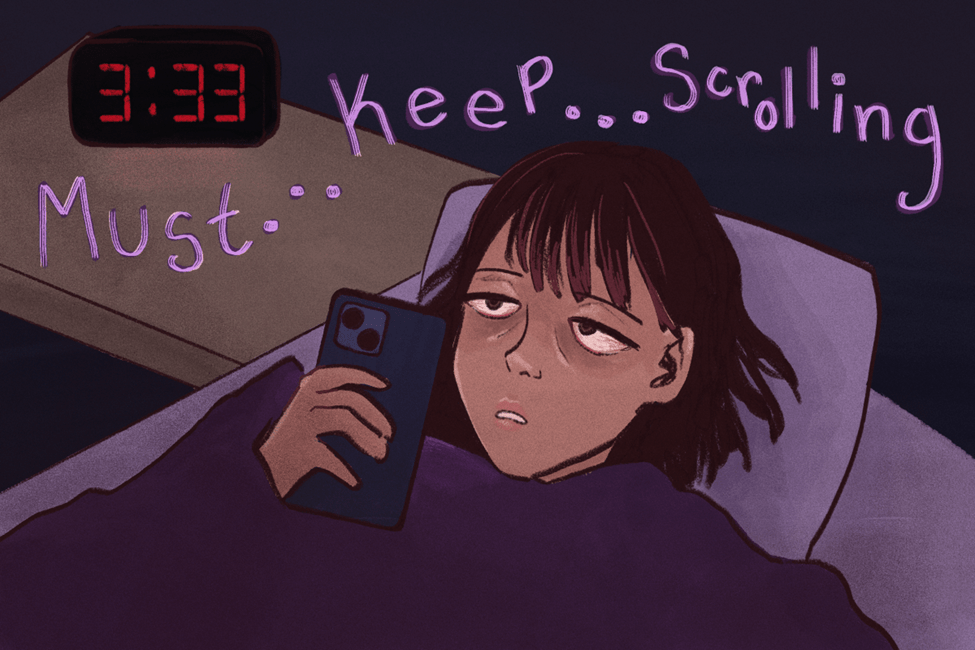
It’s midnight. A teenager lies in bed, the glow of a phone screen lighting up the dark. One swipe leads to another — harmless reels at first, but slowly, almost quietly, the feed blurs the line between entertainment and seduction. What looks like “just scrolling” is in reality a rewiring of the brain.
This is the age we live in — where temptation doesn’t hide behind locked doors, it lives in our pockets. And the cost is far higher than we admit.
The Growing Reality
Studies paint a sobering picture. In India:
- 73% of teenagers (13–17 years) admit they have consumed pornography, and many by the age of 12–13.
- Of these, 63% said they had watched it in just the past week.
- Nearly 38% of teens report first encountering explicit content through social media like Instagram and TikTok.
- A 2024 study among South Indian adolescent boys found that 90% had been exposed to porn on smartphones.
Teen Porn Exposure in India: Key Stats
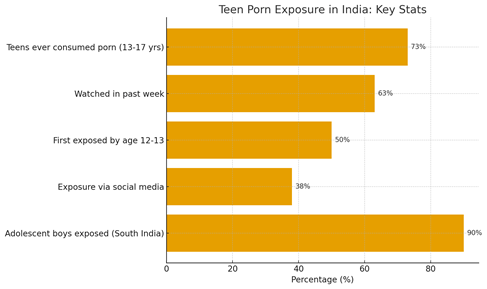
Recent studies reveal that over 73% of Indian teenagers (13–17 years) have consumed pornography, many before the age of 13. A significant 38% report encountering explicit content through social media like Instagram. The data shows how exposure is not rare or accidental anymore — it’s widespread, early, and deeply tied to digital habits.
The Instagram Illusion
If pornography is the storm, Instagram is the drizzle that never stops. A drip of suggestive reels, thirst traps, and edited bodies creates a constant stream of stimulation. Unlike explicit porn, it hides behind the excuse of “just content.” But the brain doesn’t care about labels — it still lights up the same dopamine pathways.
Over time, the scroll rewires the mind. Every swipe demands novelty, every reel promises reward. But real life isn’t built on ten-second highs. Relationships take patience. Skills take grind. Love takes presence. And when the mind is trained only for speed, depth feels boring.
The Dopamine Hijack
Dopamine is not the enemy. It’s the chemical that fuels our drive — to learn, to play, to love, to dream. But when hijacked by endless swipes and instant stimulation, it becomes a trap.
The pattern is always the same:
- Spike – the thrill of a reel, a picture, a video.
- Crash – emptiness, boredom, guilt.
- Repeat – reaching for the next hit.
Short Dopamine Kicks vs Slow Dopamine Rewards

Instant hits like porn, reels, and endless scrolling give sharp dopamine spikes but leave long-term satisfaction low. On the other hand, “slow rewards” like studying deeply, playing football, or building a skill may feel harder in the moment but create higher, lasting fulfillment. The choice isn’t about giving up pleasure — it’s about choosing the kind of pleasure that sustains you.
Like candy for the brain, it’s sweet in the moment, hollow in the long run. Slowly, the natural joys — a long game of football, a late-night laugh with friends, the satisfaction of focused study — start to feel dull compared to the neon buzz of instant gratification.
Why It Matters
The consequences are more than private habits.
- Mental health – frequent exposure links with anxiety, depression, and isolation.
- Relationships – unrealistic expectations distort how intimacy and respect are understood.
- Discipline – a brain hooked on shortcuts struggles with long-term goals.
- Self-worth – scrolling through perfected, provocative content fuels insecurity and comparison.
And in a world where attention is the new currency, porn and soft porn are not just about desire — they’re about control.
The Way Forward
Breaking free isn’t about shame. It’s about reclaiming agency.
- Awareness first – Name the problem. Awareness cracks denial.
- Curate your feed – Unfollow triggers, clean your scroll diet.
- Replace, don’t just remove – Channel energy into sports, reading, building skills, journaling, walking in nature.
- Practice discomfort – cold showers, workouts, focused study sessions. They rebuild natural dopamine pathways.
- Seek depth – Porn is easy; intimacy is effortful. One erodes, the other heals.
Small choices daily become a new identity over time.
Closing Thoughts
The world will always sell shortcuts to pleasure. Reels, clicks, pixels — all promising more in less time. But the richest joys of life don’t come in ten-second loops. They live in the long game — the discipline of study, the sweat of sport, the risk of love, the courage to wait.
The next time your finger hovers to scroll, ask yourself:
Am I choosing the shortcut… or the story worth living?
 theparthway
Leave a comment